Social Shopping App
- Project title
- Outfeed
- Target
- Second-hand resellers and Independant Brands
- Status
- shipped
- Year
- 2026
- Role
- Founder, product designer, frontend/backend, devOps
- Skill
- user analyst, market analyst, compliance, business plan, AI integration
Overview
At the age of AI and Social media, why Brands keep having their own web site ?
VISION
Nowadays, Social media is where people live. It is where they spend the most of their time and it is the first place to discover now. It’s the place where people exchange, get inspired, where they can relate to each other through content, either it is music, sport, lifestyle, or fashion. Nobody is landing on a brand website before having seen something interesting on a social app before. First you scroll and discover a brand through someone posting its outfit, or through an add between two stories, then you are getting out from your interface to be jumped on the brand’s website to buy.
PRODUCT
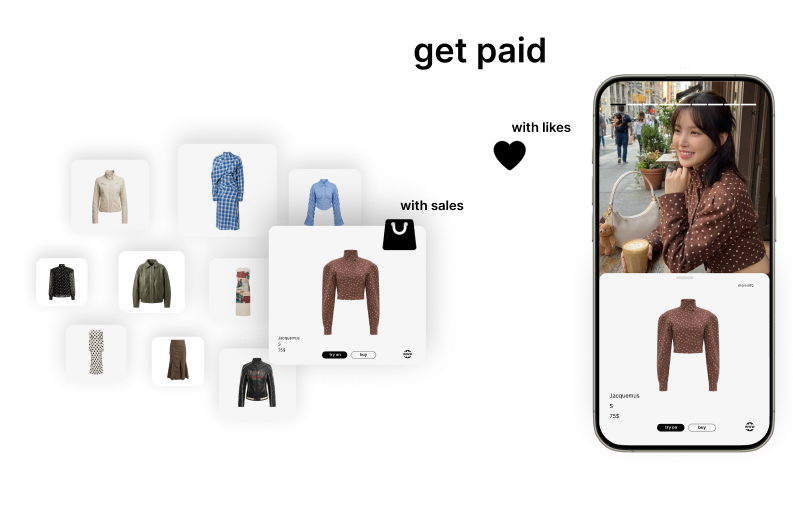
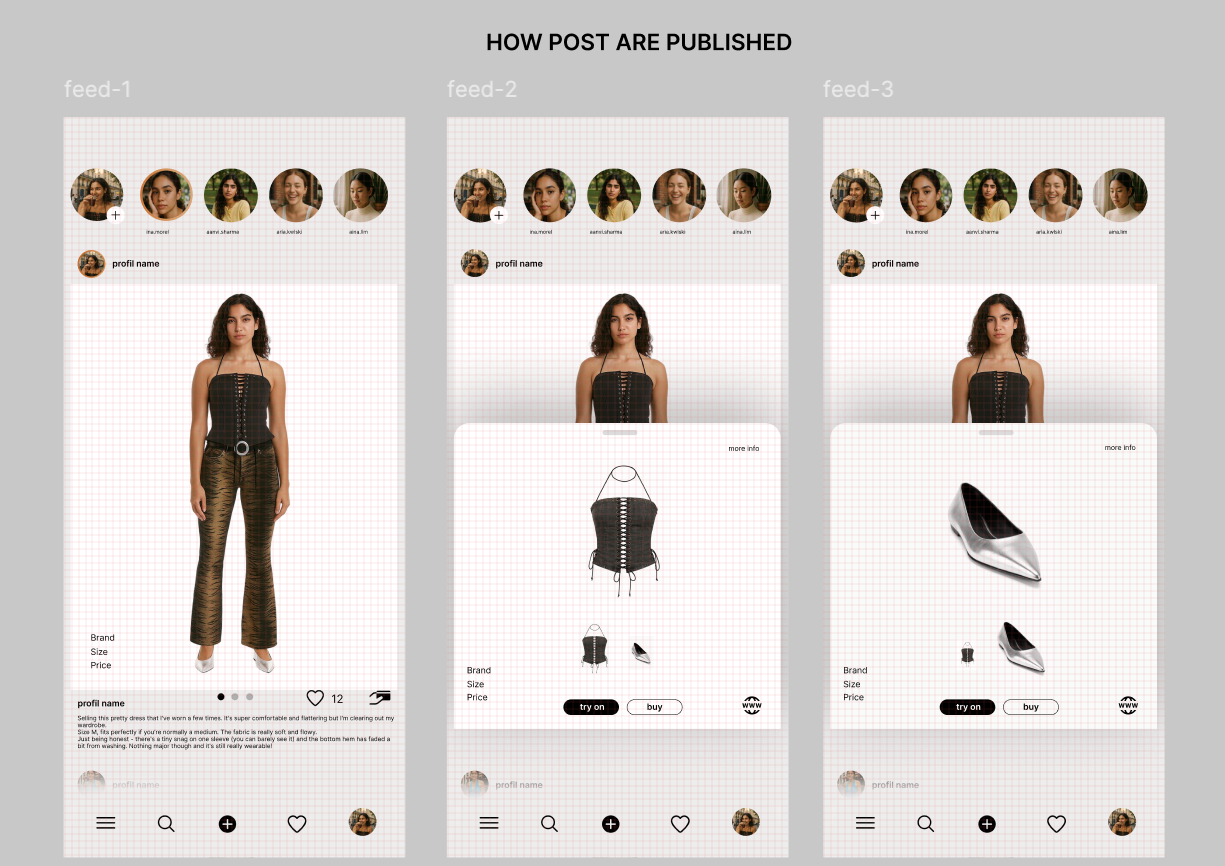
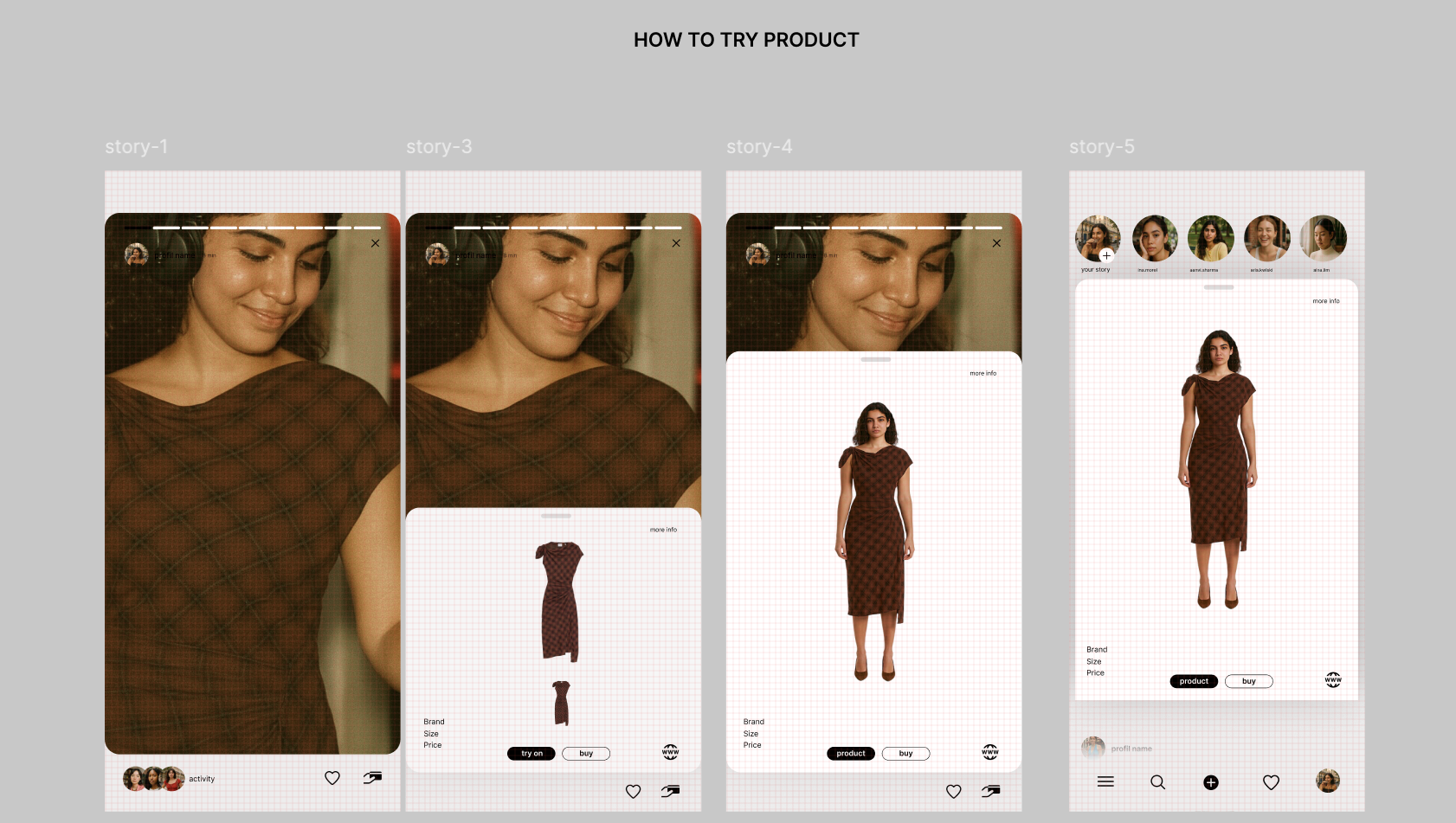
Outfeed is a social shopping app, meaning you can get outfit references from a user who is sharing a post or story. Now that you have the item reference, you can try-on the outfit and then buy the article straight from the post or story without leaving the App. Because it’s where you live
PROBLEM
The feature Instagram should’ve implement, the pivot Vinted should’ve done
unstructured info

redirection drag conversion rate down
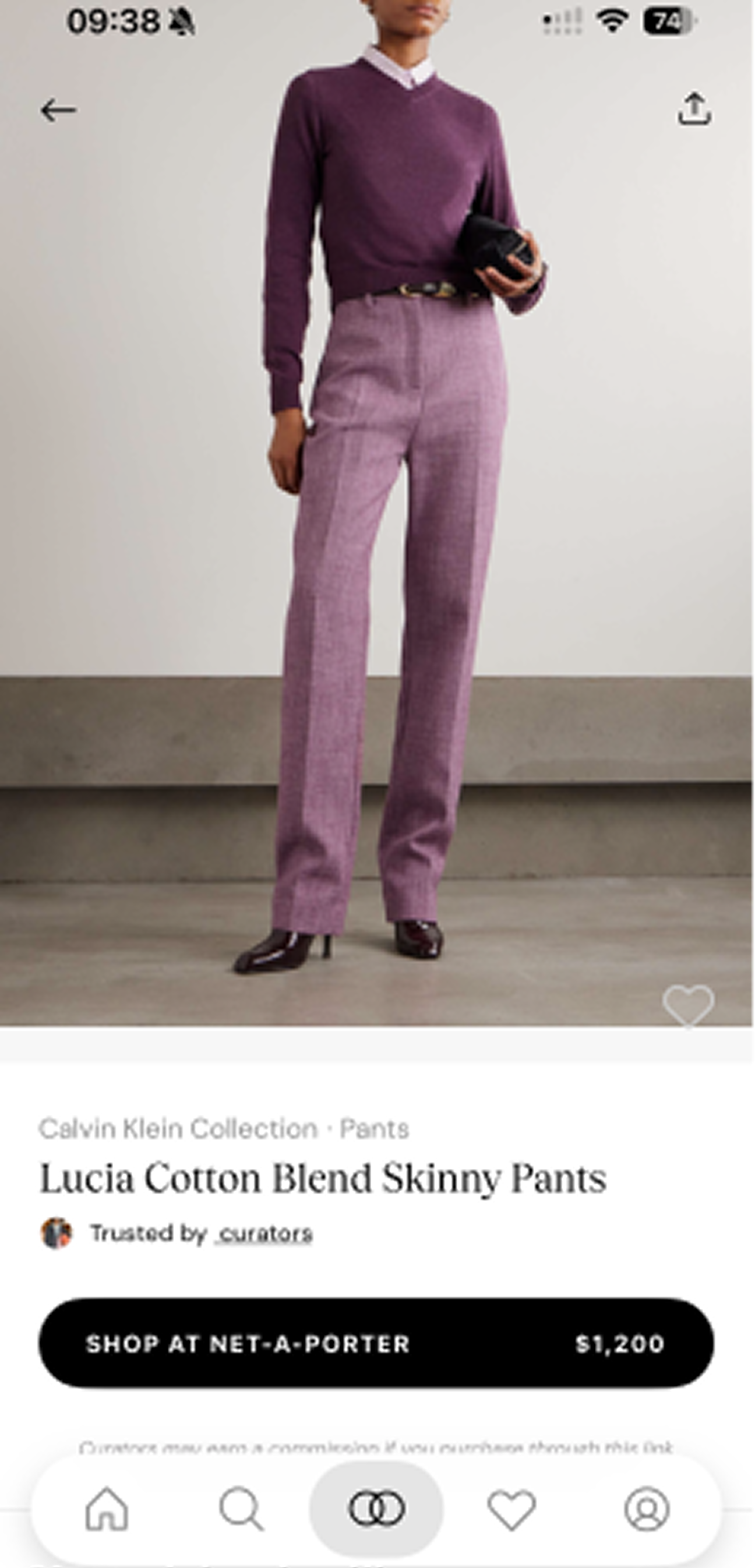
Doji, Shopmy...
UNSTRUCTURED INFORMATION
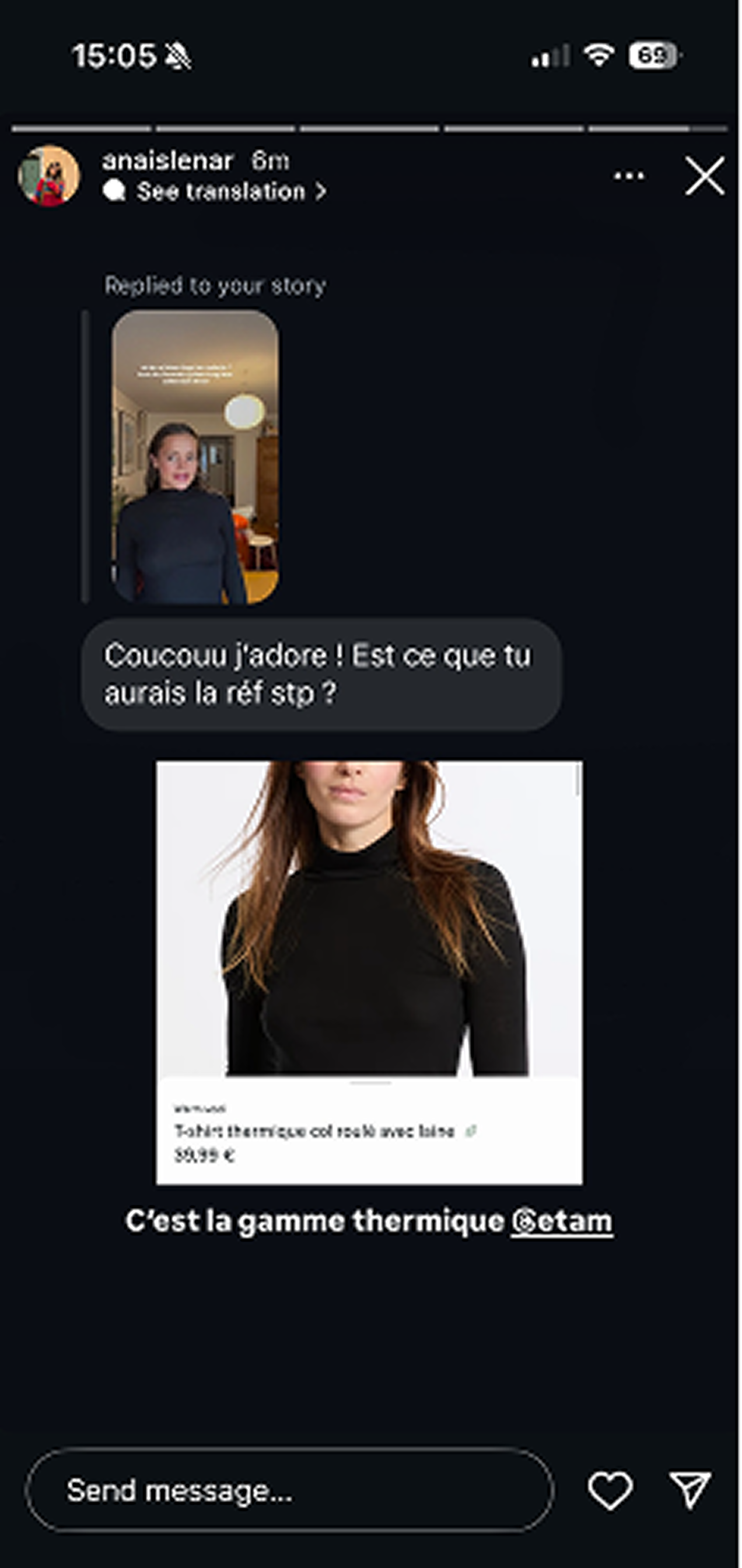
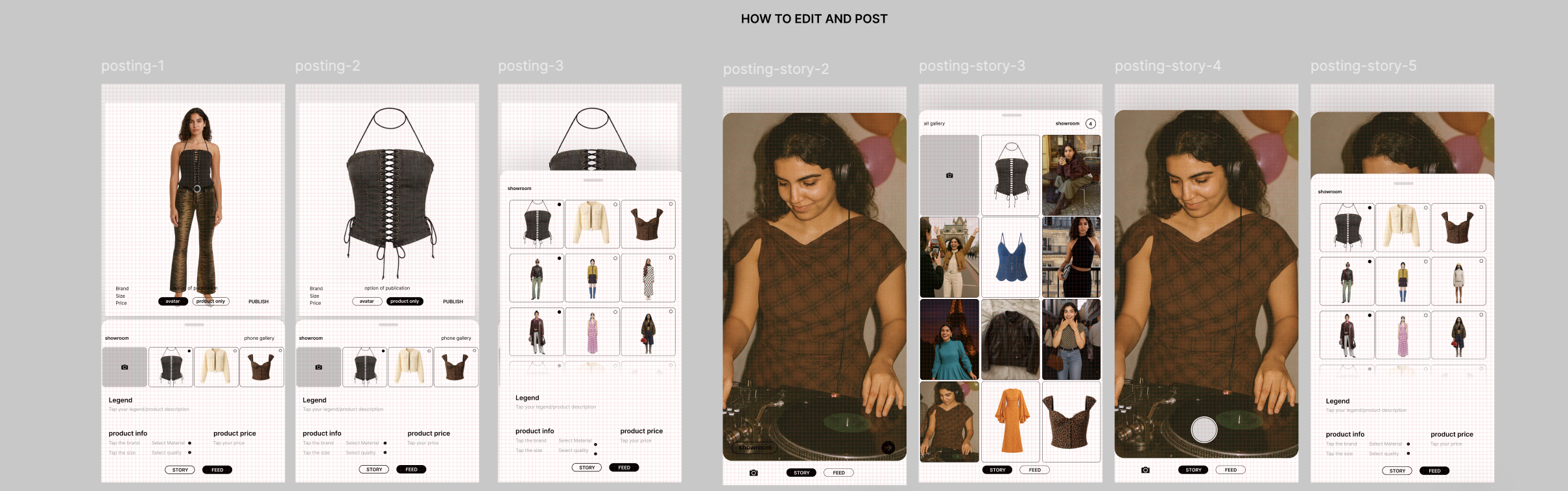
One instagram for exemple, people are always asking to each other “what’s the reference of your *clothing garment*”. There is no feature that can give simply and immediately the information. Oufteed is ending this friction by giving people the possibility to associate their outfit references when they edit their post or story to give the answer to their followers when they publish.
CONVERSION RATE GET DOWN
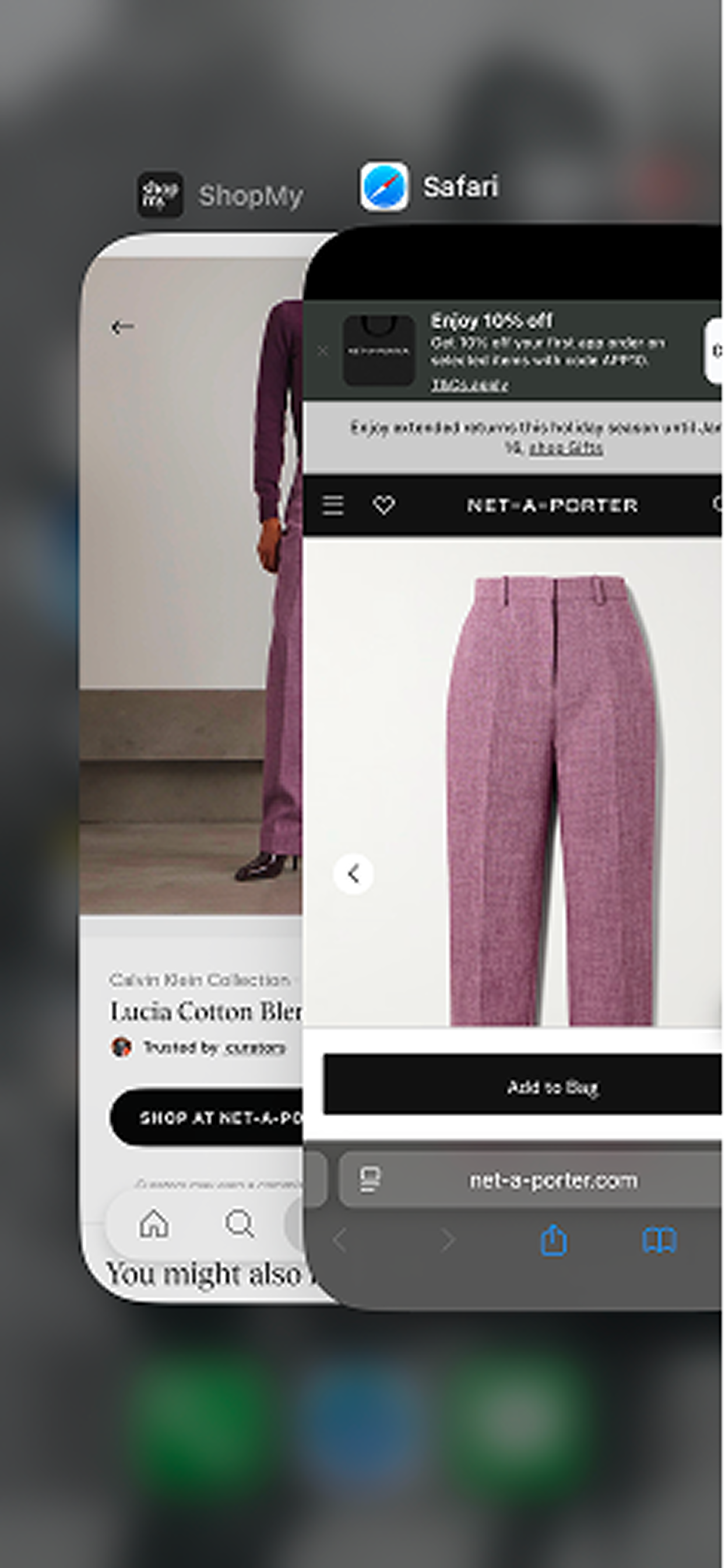
There a two frictions that get the conversion rate get down : The first is the external browser friction, the user is redirected out of his actual environment, his primary intention is curiosity and now his forced to pay attention, so he just quit thinking he’ll come back later, but he did not. The second friction is the uncertainty. First the user like the outfit, then he ask himself if it worth it for him/her without any way to try the item to clear his mind and kill the uncertainty.
vinted
outfeed
OPPORTUNITY
SEGMENTATION PROSPECTS
| Segment | Proposition |
|---|---|
| C2C (individuals: content creators, sellers, buyers) |
|
| B2C (independent brands, DNVBs, fashion designers) |
|
| B2B (platforms, partners, advertisers, the fashion & tech ecosystem) |
|
Outfeed combines the social feed, the marketplace and try-on (personalised fitting powered by AI).
USER OPPORTUNITY
Economy : outfeed is the only place where scrolling and a social media app make you wealthier. Ecology : users integrate a second-hand community and break the capitalism-fast-fashion cycle.
BRANDS OPPORTUNITY
better visibility and retention rate for independent brands better conversion rate better audit about consumer habits and trends
KEY FEATURES
Social feed
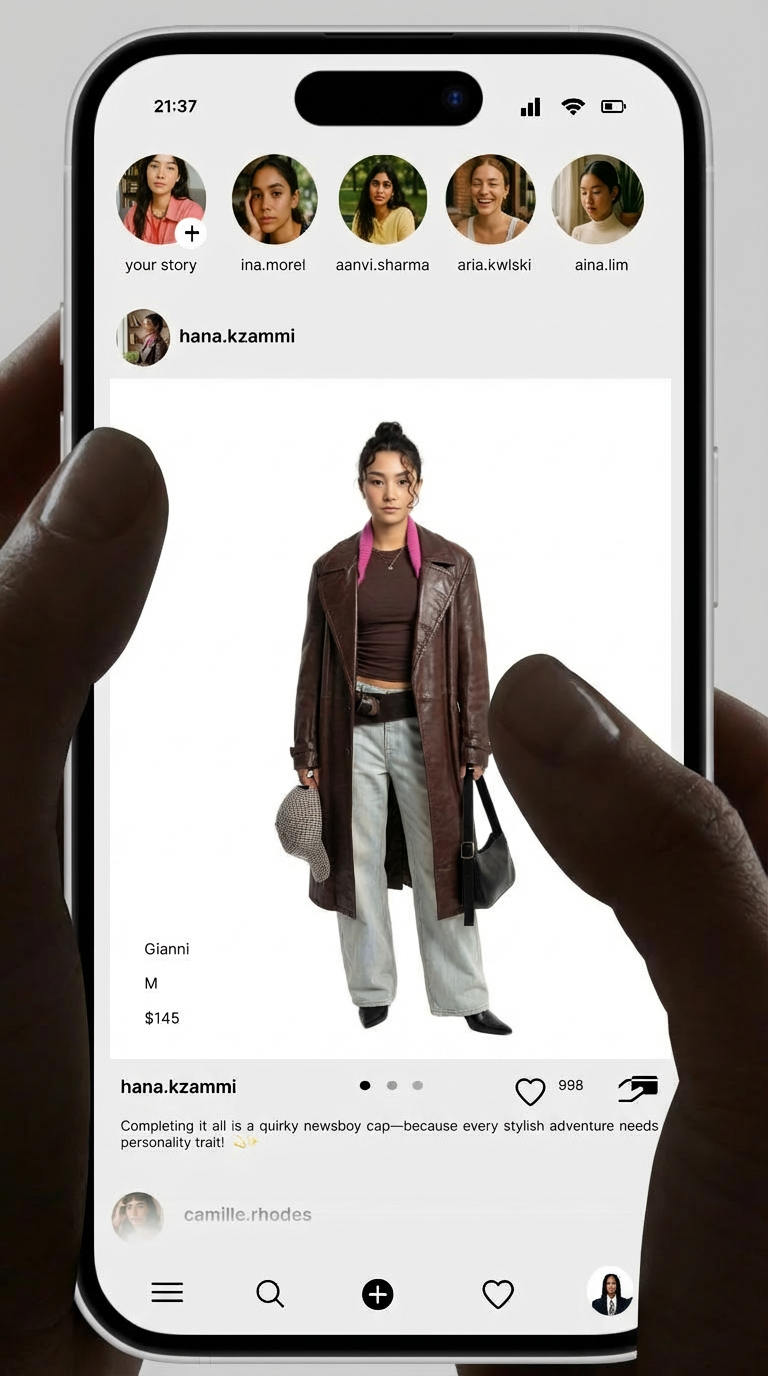
Users post their outfits of the day, their finds or their creations, in a format drawn from habits that have become second nature: posts, stories, likes.
Marketplace
Unlike classic marketplaces where you “search” and then “consume”, Outfeed gives access to new outfit ideas and to the reference of each item.
Every post can become, in one click, a product page with:
- reference,
- size,
- price,
- condition of the garment (new / second-hand).
The transaction happens inside the social feed, without breaking the experience.
try-on
Outfeed integrates a generative AI system that can:
- generate a faithful avatar of the user,
- let them instantly try on any garment seen on the platform,
- show how it looks before buying.
Users actually see themselves wearing the piece they want.
This level of transparency and trust reduces hesitation and aligns desire ↔ purchase.
RESEARCH
Discovery is social. 64% of Gen Z learn about products through social media, and 83% of Instagram users say they discover products there. Organic social traffic converts at 0.7%, against 2.9% for a returning visitor on the brand's own website. Inditex (Zara, Massimo Dutti) makes 26.7% of its sales on its own websites and apps. The virtual try-on market is expected to grow from $5.6B to $20.7B by 2030.
EXPLORATION
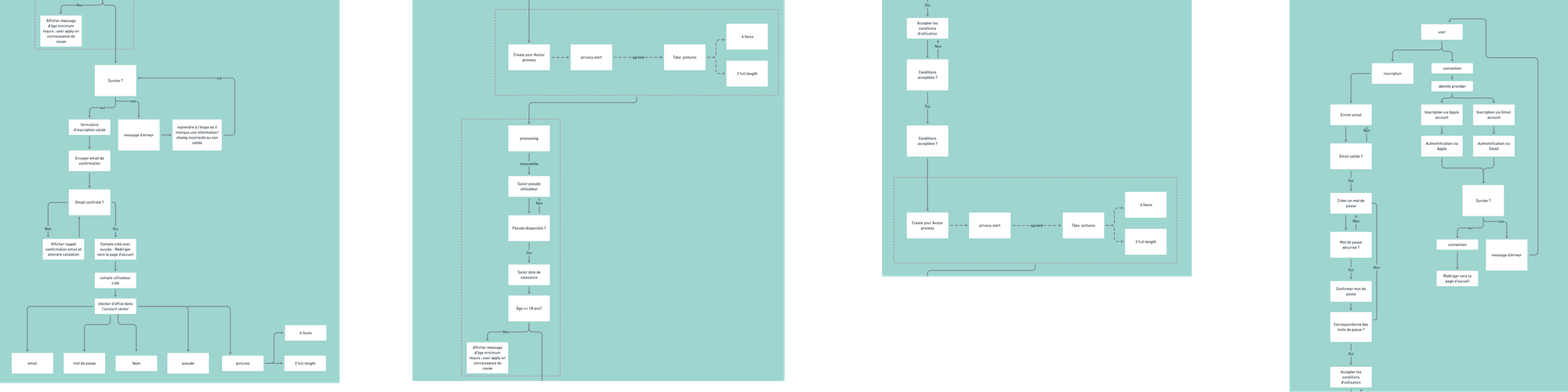
onboarding
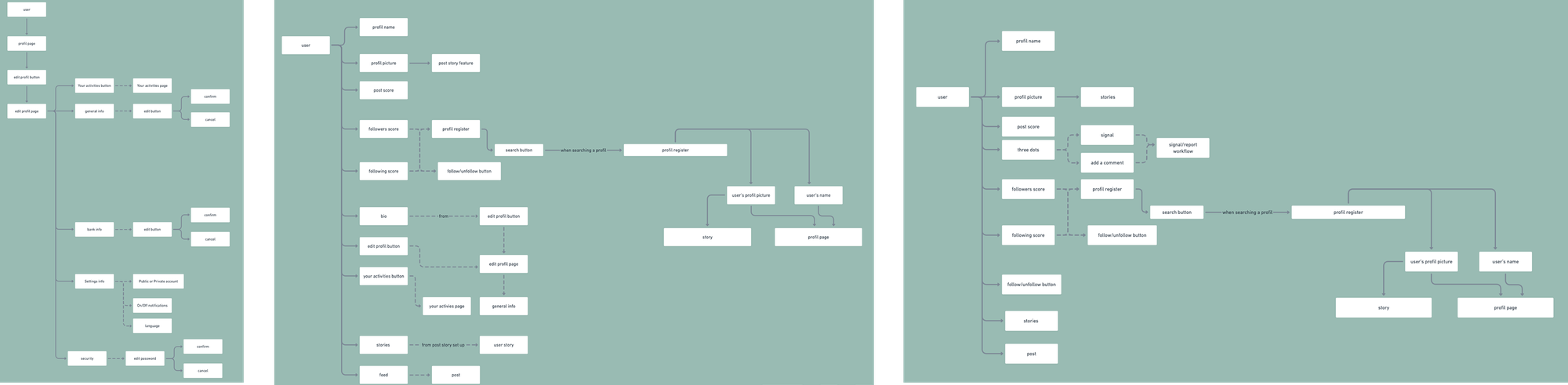
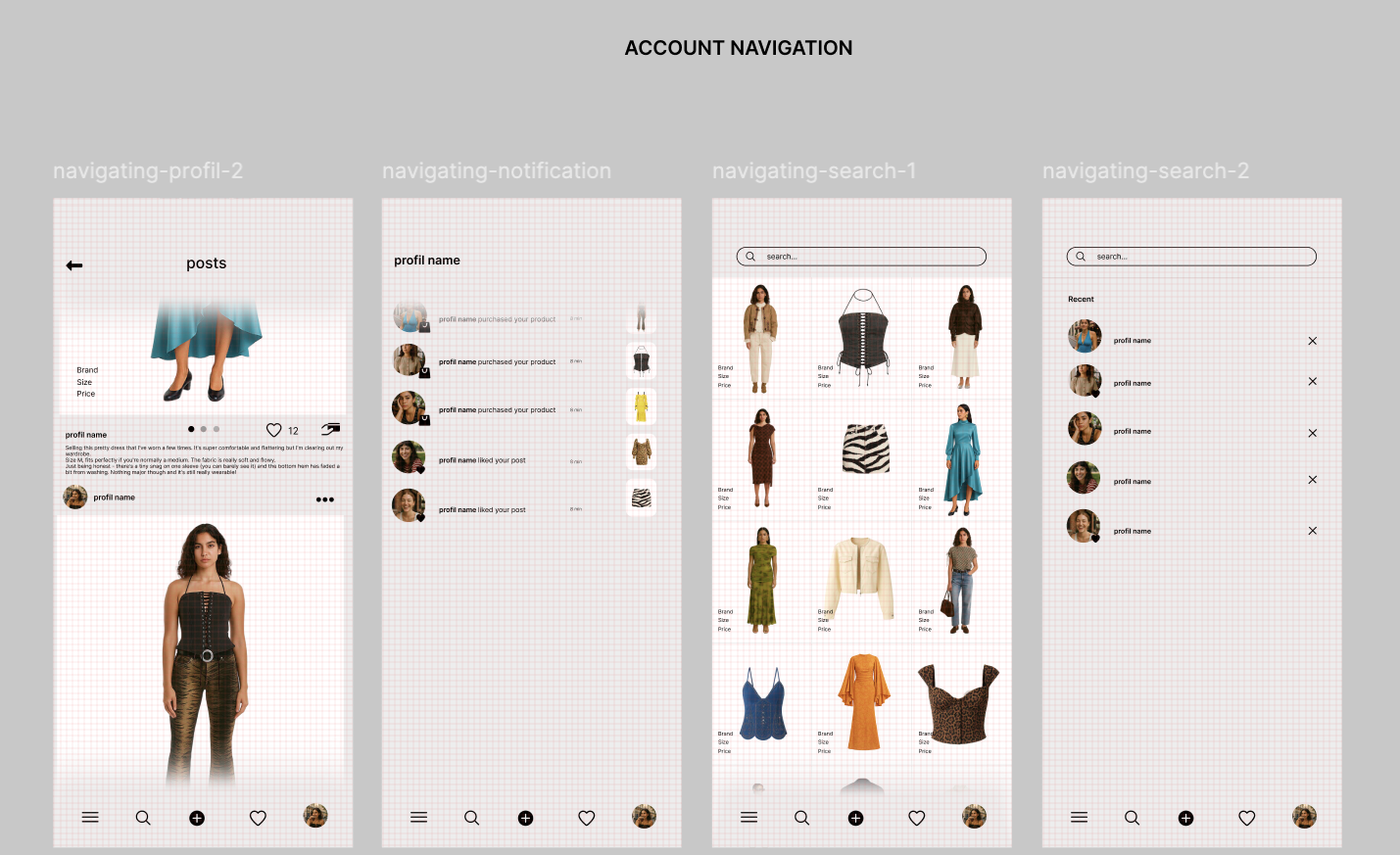
app navigation
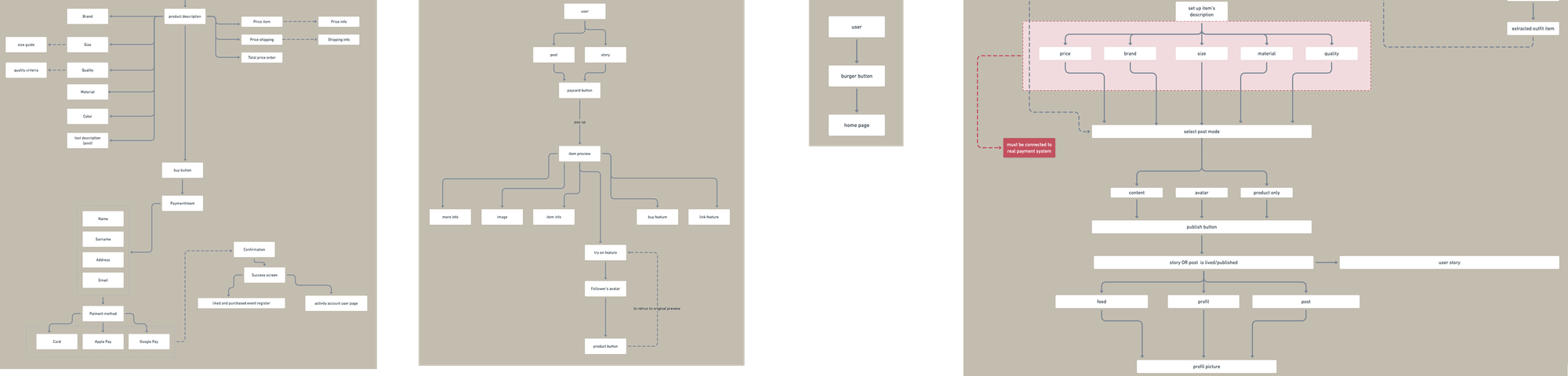
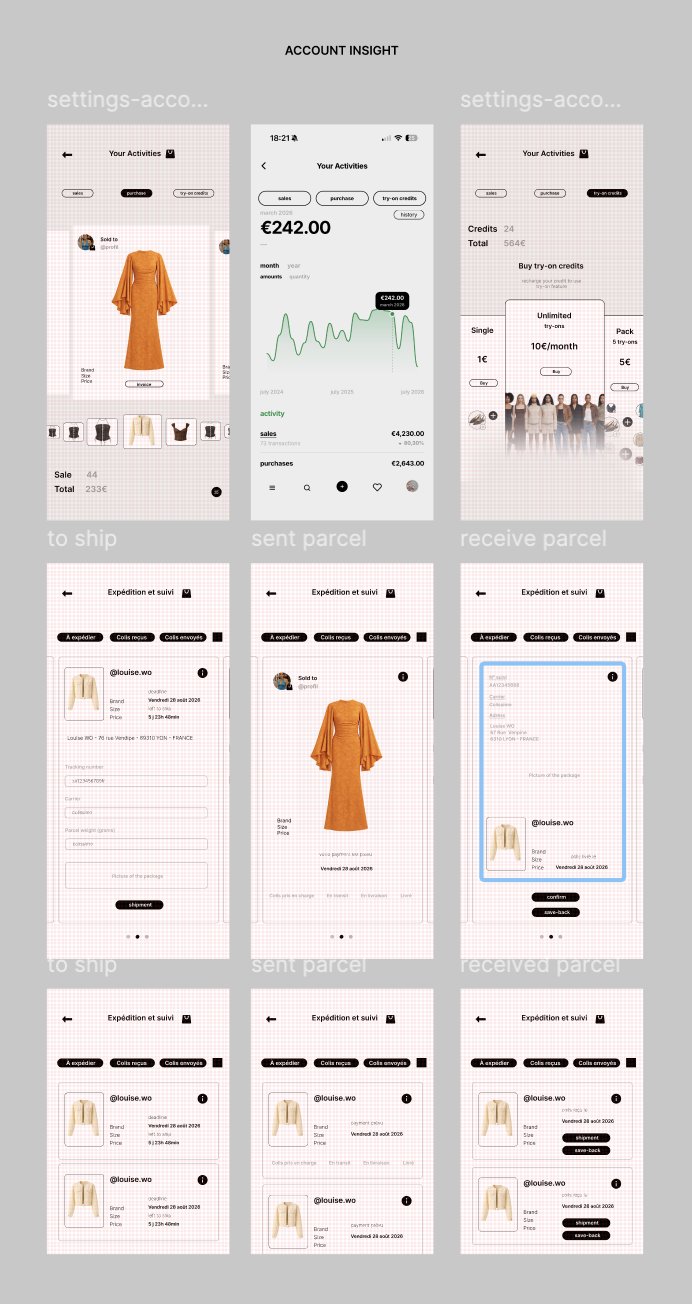
user account & publication process
design
DESIGN DECISIONS
Focus on second-hand and independent brands
A credit-based try-on system until the user base reaches the critical mass needed to support the infrastructure
outfeed is a social app but the focus stays on e-commerce: social is reduced to the essential features to avoid dispersion and keep moderation safe
ai training
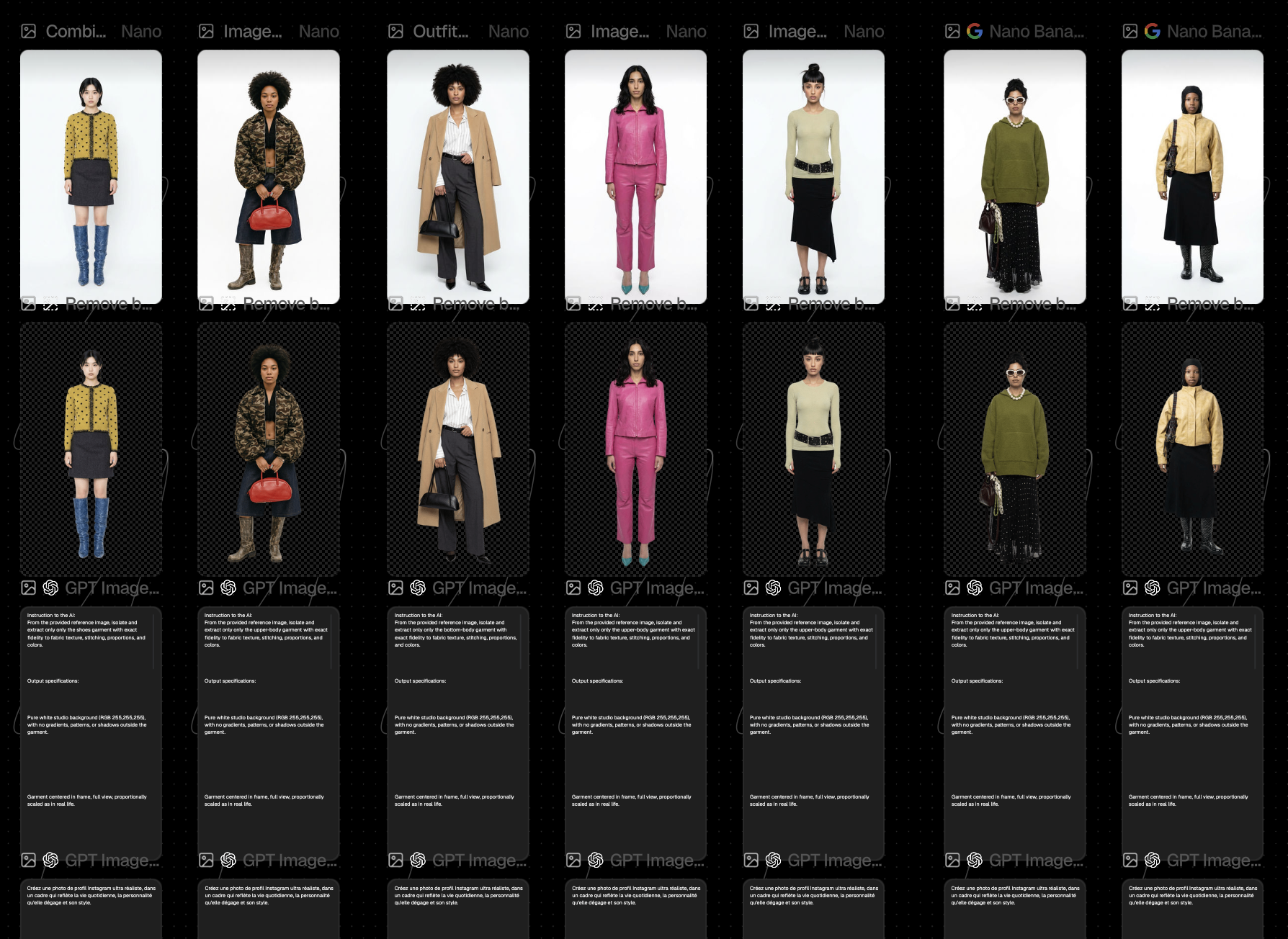
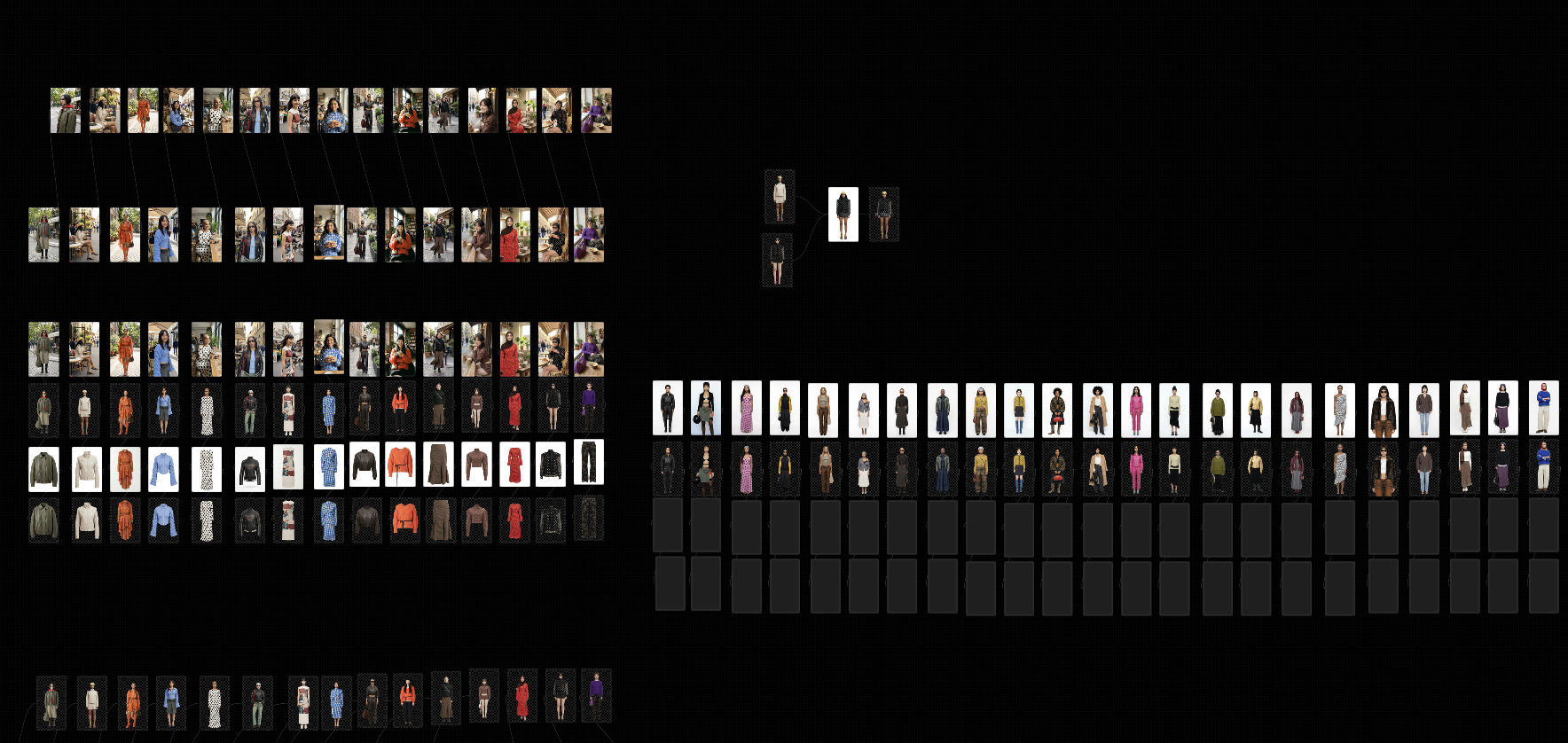
ai generated avatar & extract garments system
WHAT I LEARNED
- Training AI
- Clarifying a value proposition
- Identifying a growing market segment and answering it with a product
- Improving my stack and building methodology
WHAT'S NEXT
- Bêta test with a bunch of users
- AB test of users acquisitions
- Brands acquisition and onboarding