AI chatbot Market-Place for books
- Project title
- Kaskadd
- Target
- Self-initiated project
- Status
- concept
- Year
- 2025
- Role
- Product strategist, UX/UI designer
- Skill
- architecture, e-commerce flow, market and regulatory analyst
Overview
Why do we still look for books the way we look for spare parts?
VISION
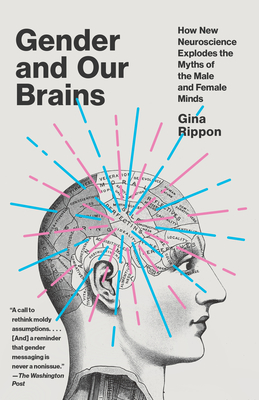
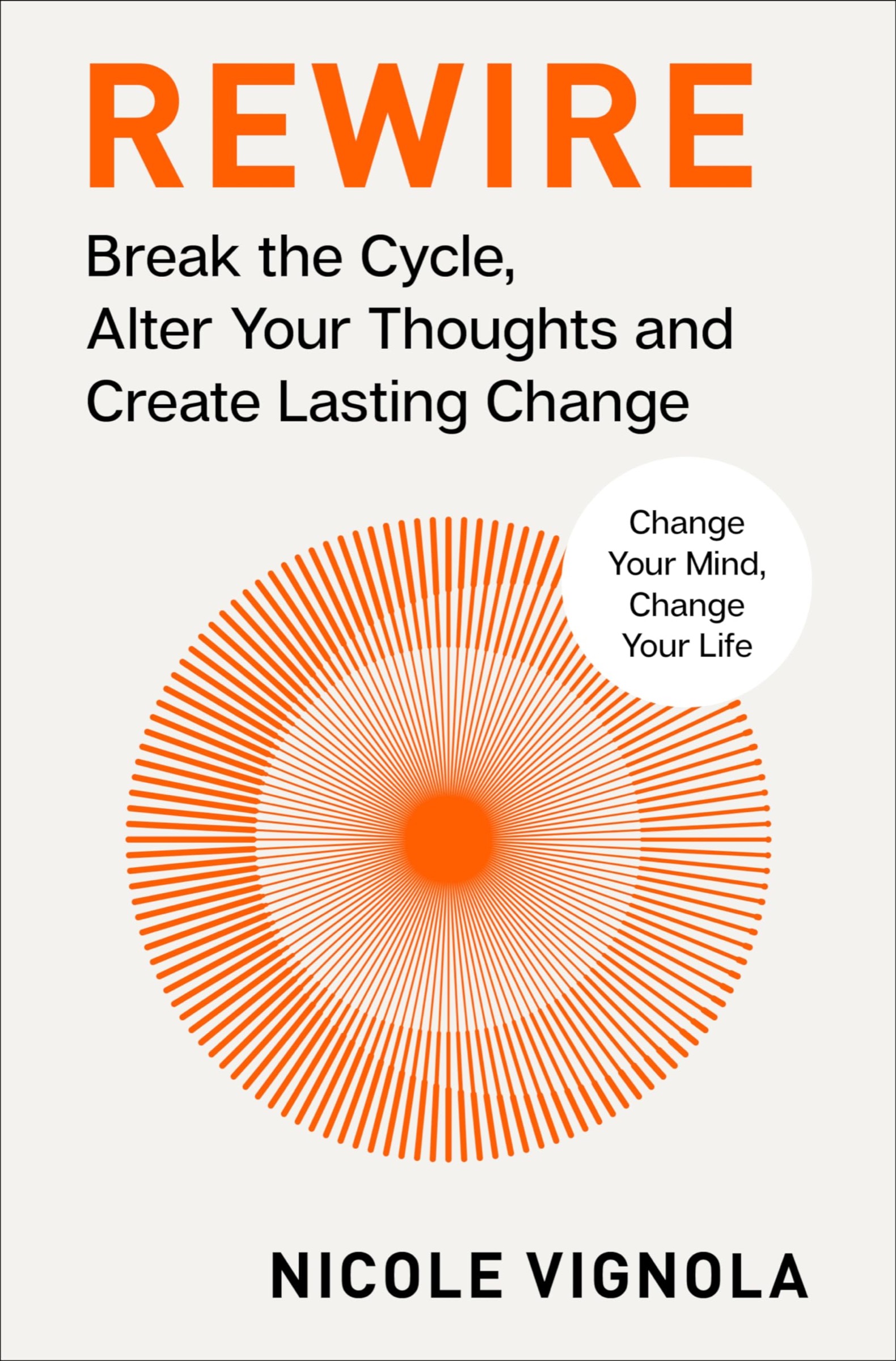
Online bookstores are built around search bars, categories and predefined catalogues. You are expected to know what you are looking for: a title, an author, or at least a genre. But most reading intentions don't start there. They start with a question, a feeling or a moment in life: “Why don't I understand anything about politics?” “How do I deal with grief?” “I need to escape for a weekend.” “Do men's and women's biological sex really determine us?” At the same time, people increasingly ask these questions to AI chatbots. They receive an answer, but rarely a book.


















PROBLEM
How to put words to, and clear your mind of, the unspoken thoughts, intuitions, questions or emotions you have?
01 — search requires the answer before the question
Traditional book e-commerce assumes a precise intent: title, author, or genre. But readers often start somewhere much less precise. They know what they want to understand, feel or discover, but don't know which book could get them there.
02 — AI answers questions, but it does not encourage you to delve deeper, nor does it support your thinking or your long-term progress.
Conversational AI has become a natural place to ask personal and intellectual questions. The answer is immediate, but the interaction often ends there. Books provide something different: depth, perspective, narrative and time. kaskadd connects the conversational behaviour people have adopted with the long-form knowledge contained in books.
03 — convenience and independent bookselling are separated
Readers can value their local bookshop and still buy online because the online experience is simply easier. The challenge is therefore not convincing people to support independent bookshops. It is making that choice an efficient alternative.
VISION
A good bookseller doesn't ask you which title you want. They ask what's on your mind. kaskadd brings that conversation into a digital experience, using AI to scale the bookseller's ability to understand an intention and turn it into a selection of books. The objective is not to replace the bookseller. It is to make the bookseller's advice available before the reader knows which book they are looking for.
OPPORTUNITY
kaskadd is a conversational book discovery and shopping app. Ask a question naturally, like you would ask a bookseller or an AI assistant. kaskadd turns that question into a curated selection of books across different intentions and genres. Each recommendation explains why the book is relevant to the question. The reader can then save it, buy it, receive it at home or pick it up at a local independent bookshop. Ask → Choose your way → Add to your library.
Ask
The home screen starts with a single entry point: a conversation.
"Ask a question and find the great book."
The reader can write naturally, using their own words, doubts or frustrations.
For example: "Why do I never understand anything about politics? Everyone talks about it, but I'm always lost."
The conversation remains accessible throughout the experience, allowing the reader to refine the original intention at any time.
For readers
- Build a personal library from their own questions.
- Discover books they would never have searched for.
- Understand why a recommendation is relevant.
- Keep the convenience of online shopping while supporting an independent bookshop.
For independent bookshops
- Access a digital sales channel without building their own technology.
- Receive online orders and in-store pickups.
- Capture demand that would otherwise move to large retailers.
For publishers and the wider book ecosystem
- Resurface backlist titles through reader questions, rather than relying exclusively on new releases.
- Understand what readers are actually looking for: questions, intentions and themes.
Choose your way
The AI does not return a single answer.
It creates a curated selection structured around two dimensions:
Intention
- - dream & escape
- - understand & learn
- - contemplate
- - discover
Genre
- - novel
- - short story
- - poetry
- - theatre
- - essay
The same question can therefore lead to very different reading experiences.
A question about politics could lead to a political novel, a philosophy classic or a memoir. Each recommendation includes a personalised explanation connecting the book to the reader's original question.
Add to your library
A recommendation does not have to become an immediate purchase.
Readers can save books to a personal gallery and organise them by intention and genre. Over time, the gallery becomes a reading wishlist built from the questions the reader has asked.
Buy & support your bookshop
Purchase is designed as a continuation of the discovery experience rather than a separate checkout environment.
Four steps: delivery → payment → finalise → thank you
Delivery options include:
- - home delivery
- - express delivery
- - pickup point
- - independent bookshop pickup
The reader can choose a bookshop by name or address. Account creation is deliberately delayed until the end of the purchase flow, so authentication does not interrupt purchase intent.
Bonus - business development
Advertising plateform for edition industrie :
- - promote lunching books
- - events
_ actualities
_ topic article / PODCAST
RESEARCH
01 — Intention comes before genre
Readers often describe what they want to understand, experience or feel before identifying a genre. This led to intention becoming the first layer of discovery, with genre acting as a secondary filter.
02 — A recommendation needs a reason
A collection of book covers is not advice. The value of the recommendation lies in the connection between the reader's question and the book. The personalised pitch therefore became a core product element.
03 — Independent bookselling needs digital infrastructure
Readers can value local bookshops while still choosing online purchasing for convenience. The opportunity is therefore not simply to promote independent bookshops, but to make them part of the digital purchase journey.
04 — Regulation shapes the experience
French book pricing and shipping regulations reduce the relevance of price competition. This shifts the product opportunity toward discovery, advice, convenience and local pickup.
CONSTRAINTS
01 — Technical
- Book metadata: ISBN, authors, covers and availability.
- External book databases.
- Real-time inventory from partner bookshops.
- AI recommendation quality.
- Hallucination prevention.
- Geolocation for bookshop discovery.
02 — Regulatory
- French fixed book pricing.
- Shipping regulations.
- VAT treatment.
- GDPR for potentially personal conversations.
03 — Business
Readers can value local bookshops while still choosing online purchasing for convenience. The opportunity is therefore not simply to promote independent bookshops, but to make them part of the digital purchase journey.
04 — User
- Trust in AI recommendations.
- Avoiding an overly verbose chatbot experience.
- Maintaining the feeling of human advice.
- Sensitive questions around grief, identity, health or personal situations.